Shilajit 101: What It Is, How to Take It, and Why Purity Matters More Than Anything Else
Shilajit is a sticky, tar-like resin that slowly seeps out of rock in high-altitude mountain ranges — most famously the Himalayas — formed over centuries as plant matter decomposes under pressure. It's been used in Ayurvedic medicine for a very long time as a general tonic, and it's had a resurgence in the nootropic and men's health world thanks to renewed interest in its fulvic acid and trace mineral content.
What's actually in it
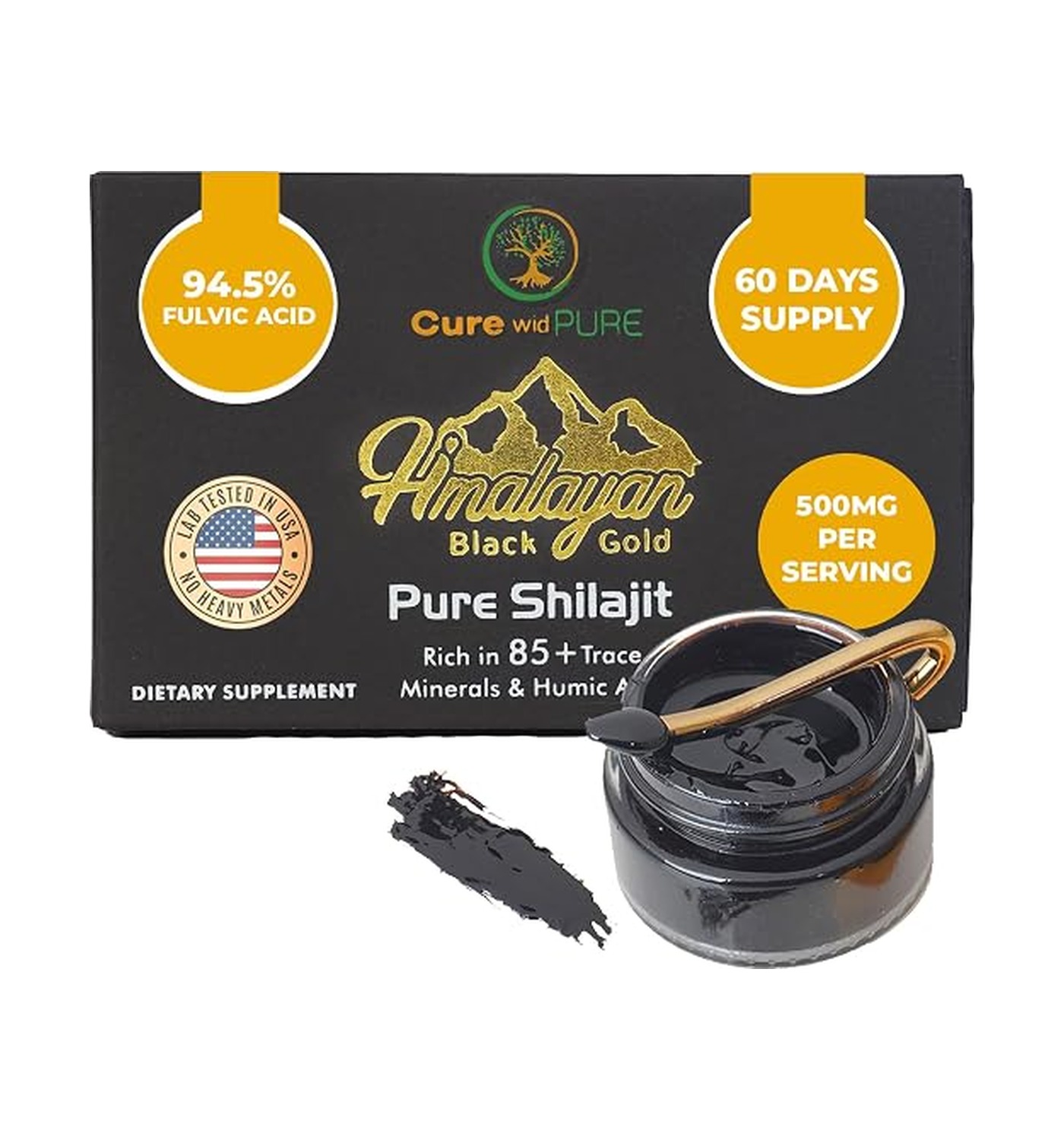
Shilajit's reputation centers on two things: fulvic acid, a compound thought to help the body absorb minerals and support cellular energy production, and a dense profile of trace minerals — some products list 85 or more. Research on Shilajit specifically is still fairly limited compared to more heavily studied nootropics like L-Theanine, so it's worth treating the more enthusiastic marketing claims around it with some skepticism.
Why purity is the whole ballgame
This is the most important section of this article. Unlike a capsule of an isolated, lab-synthesized compound, raw Shilajit is mined directly from mountain rock — which means it can also pick up heavy metals (lead, arsenic, mercury) from its environment if it isn't purified and tested properly. This isn't a hypothetical concern; it's the single biggest reason to be picky about which brand you buy. Before buying any Shilajit product, look specifically for:
- Third-party lab testing for heavy metals — stated on the label or available from the brand, not just a vague "lab tested" claim with no specifics
- A stated fulvic acid percentage — commonly in the 50-95% range depending on purification method; a bottle with no percentage at all is a red flag
- Country of processing/testing — several brands now purify the raw resin and test it in the US even though the source rock is Himalayan, which adds a layer of accountability
Resin vs. powder vs. capsules
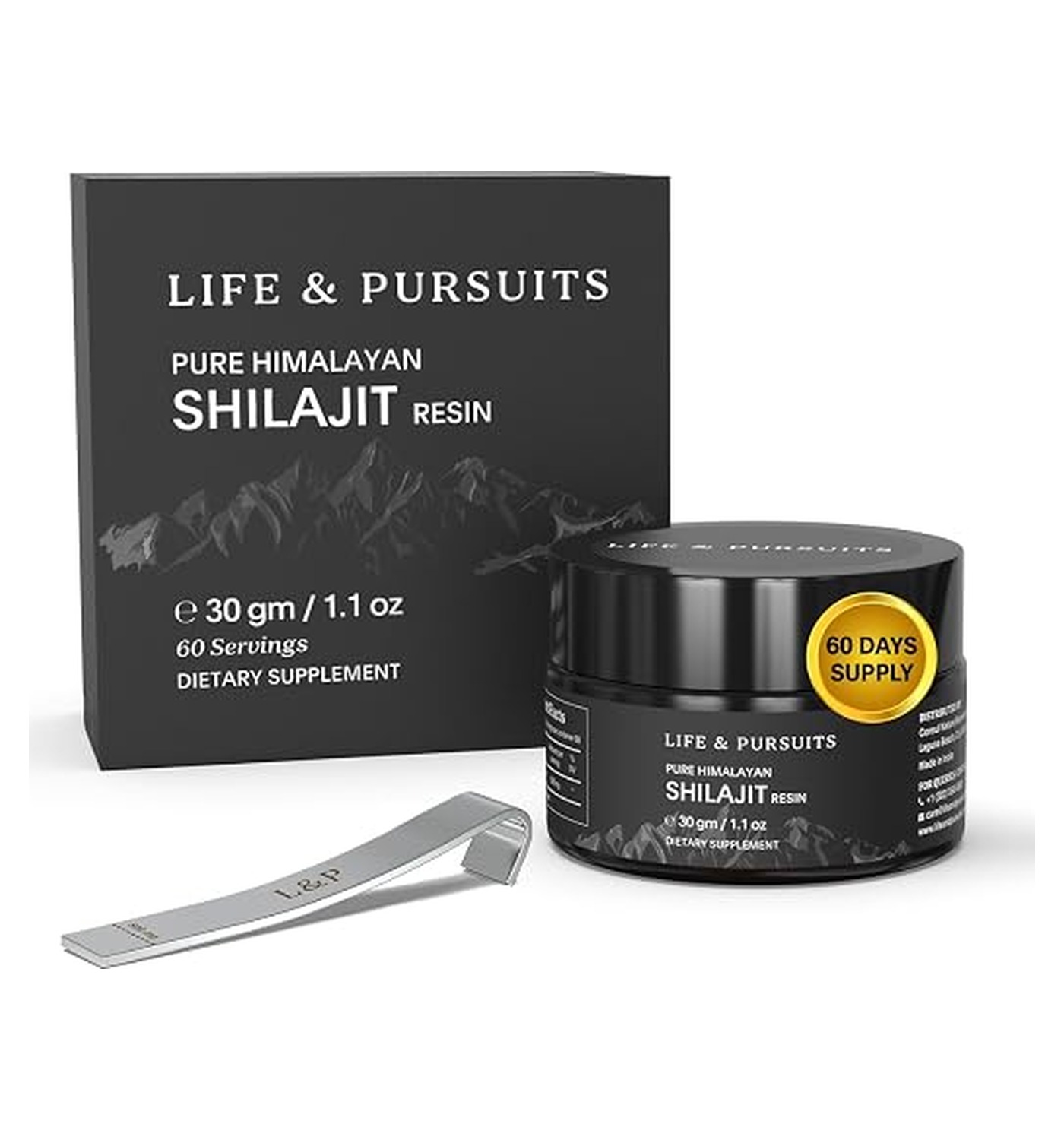
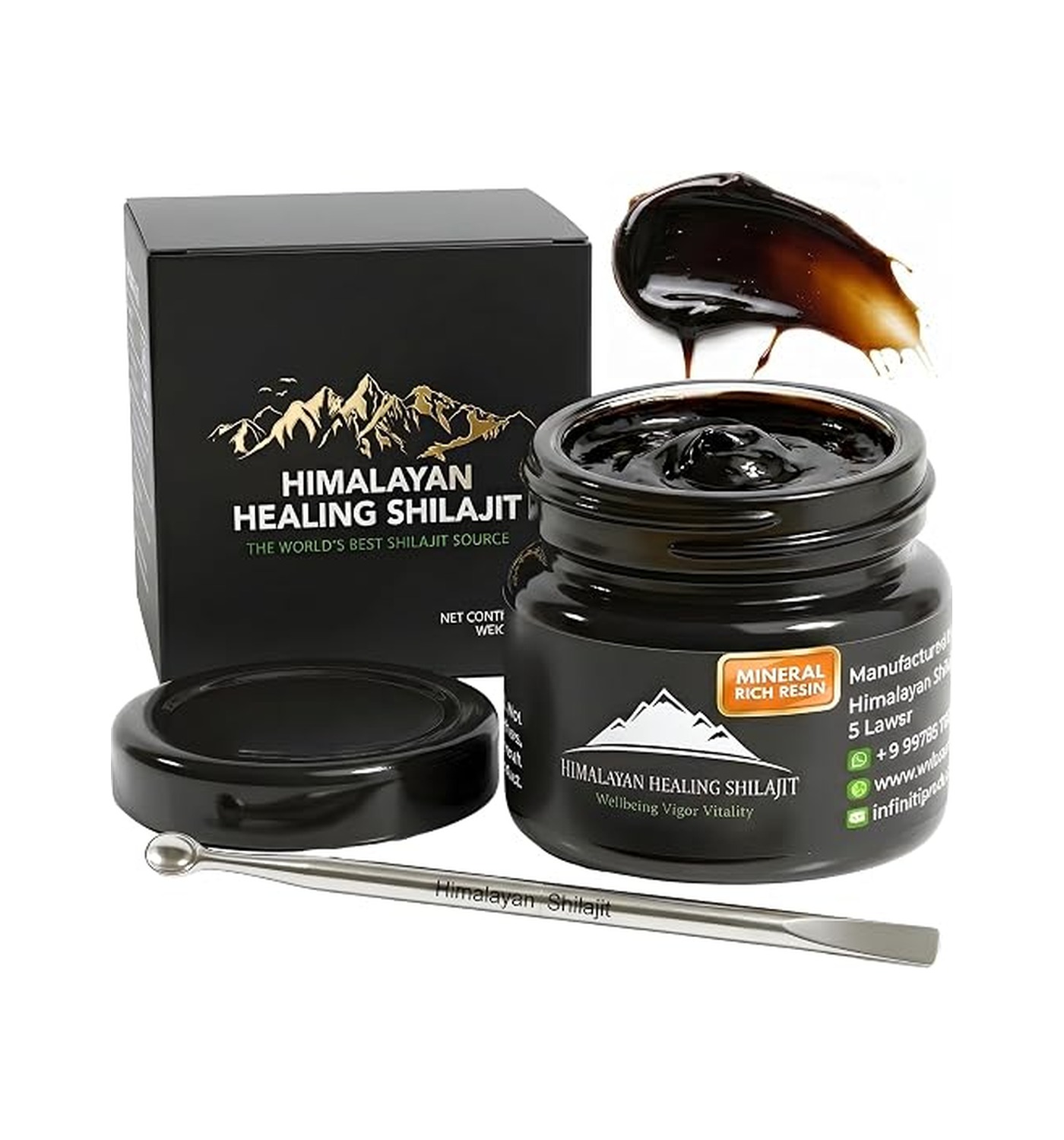
Shilajit is sold in a few different forms. Raw resin (a thick, tar-like paste in a jar, usually with a small dosing spoon) is the traditional form and lets you see and smell what you're taking. Powder and capsule forms are more convenient and easier to dose consistently, but you're trusting the manufacturer's processing more since you can't inspect the resin directly.
How it's typically taken
Resin is usually dosed at roughly 300mg to 500mg — about the size of a pea — once or twice a day. The traditional method is to dissolve that amount in a small cup of warm water, warm milk, or tea and drink it; it dissolves slowly and has a strong, distinctly earthy/bitter taste that some people need to get used to.
Who should be cautious
Because it's a concentrated mineral source, Shilajit isn't recommended during pregnancy or breastfeeding, and anyone with hemochromatosis (iron overload) or another condition affected by mineral intake should talk to a doctor before using it. As with any supplement sourced from mined material rather than a controlled lab synthesis, when in doubt, favor the brand with more transparent testing over the one with the boldest marketing claims.