Lion's Mane Mushroom 101: What It Is and How to Choose a Supplement
Lion's Mane (Hericium erinaceus) is a shaggy, white mushroom that's been used in Chinese and Japanese cooking and herbal traditions for centuries. In the last decade it's become one of the most popular mushrooms in the nootropic world, mostly on the strength of two compound families found in it: hericenones and erinacines.
Why people take it
Researchers have been studying hericenones and erinacines for their possible role in nerve growth factor (NGF) activity — a protein involved in maintaining and growing neurons. That's the mechanism behind most of the interest in Lion's Mane for memory, focus, and general brain health. It's worth being clear-eyed here: most of this research is still early, and a supplement label promising sharper focus is describing a hypothesis under study, not a guaranteed outcome.
Fruiting body vs. mycelium — the label detail that actually matters
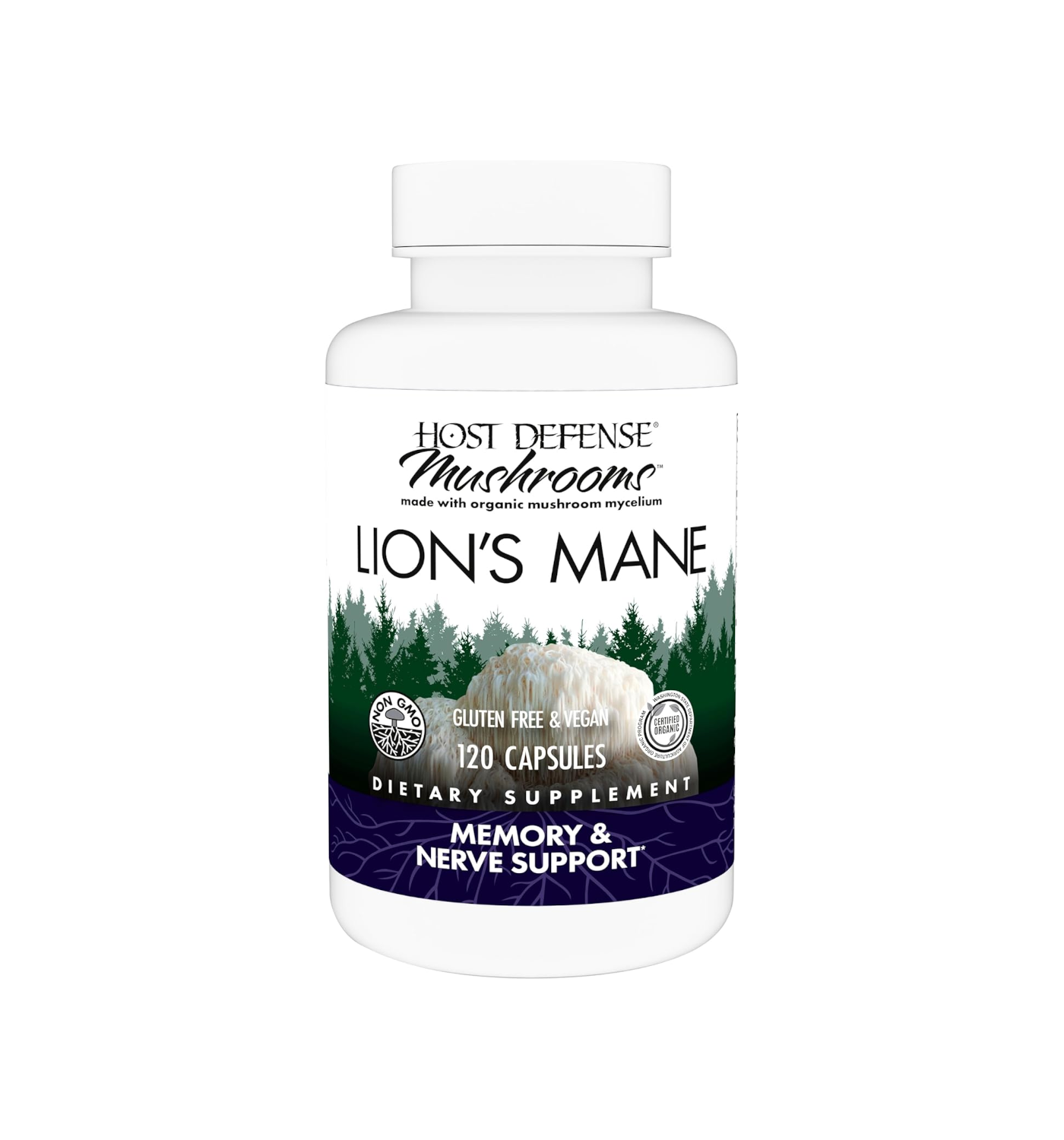
This is the single biggest source of confusion when shopping for Lion's Mane. The mushroom you'd recognize (the white, shaggy "fruiting body") is generally considered to contain higher concentrations of the active compounds than mycelium grown on grain, which is cheaper to produce and sometimes bulked out with leftover grain substrate. Look for products that specify "fruiting body" on the label, or that state a beta-glucan percentage — that's a rough proxy for how much of the bottle is actual mushroom versus filler.
How it's typically dosed
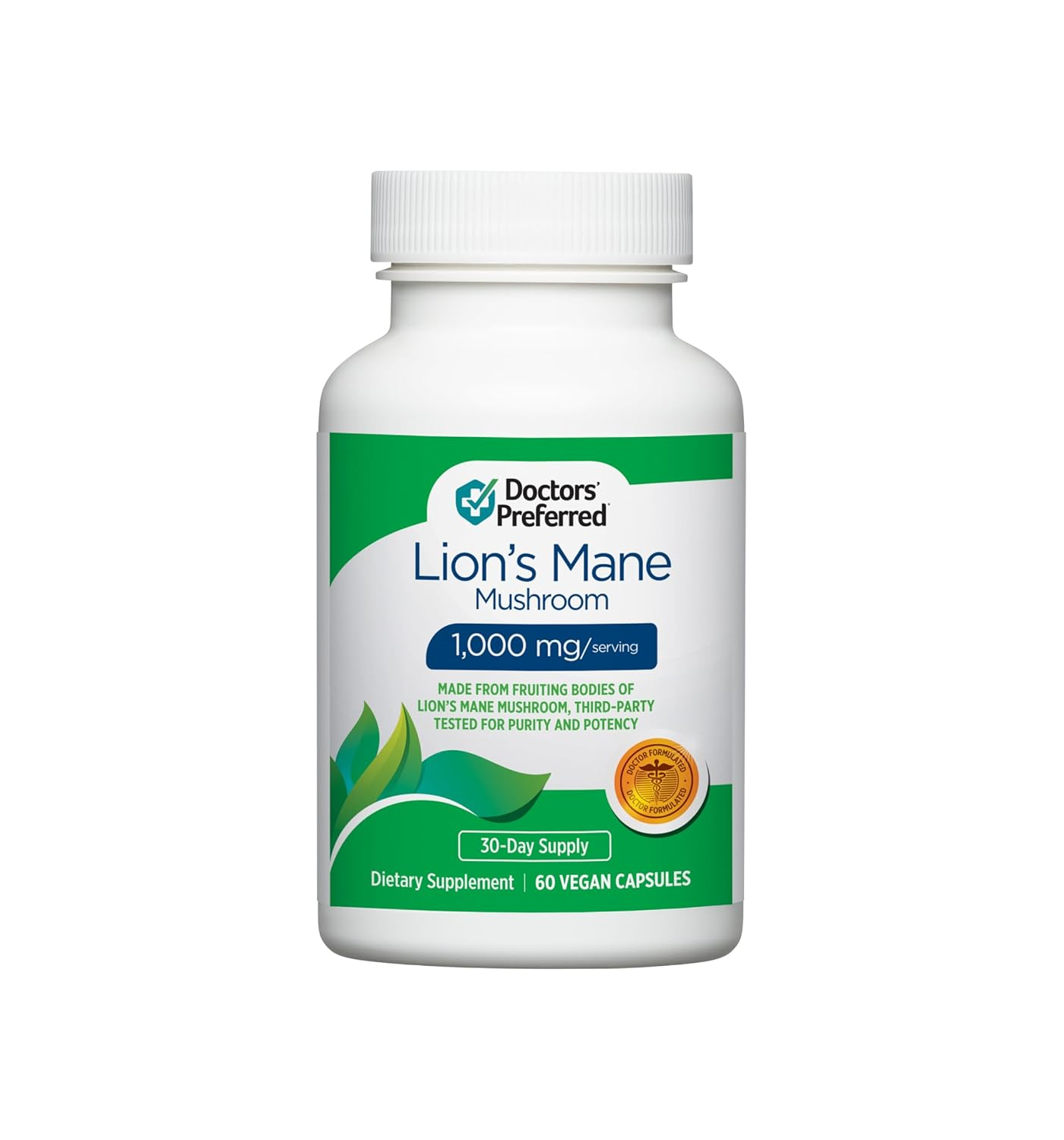
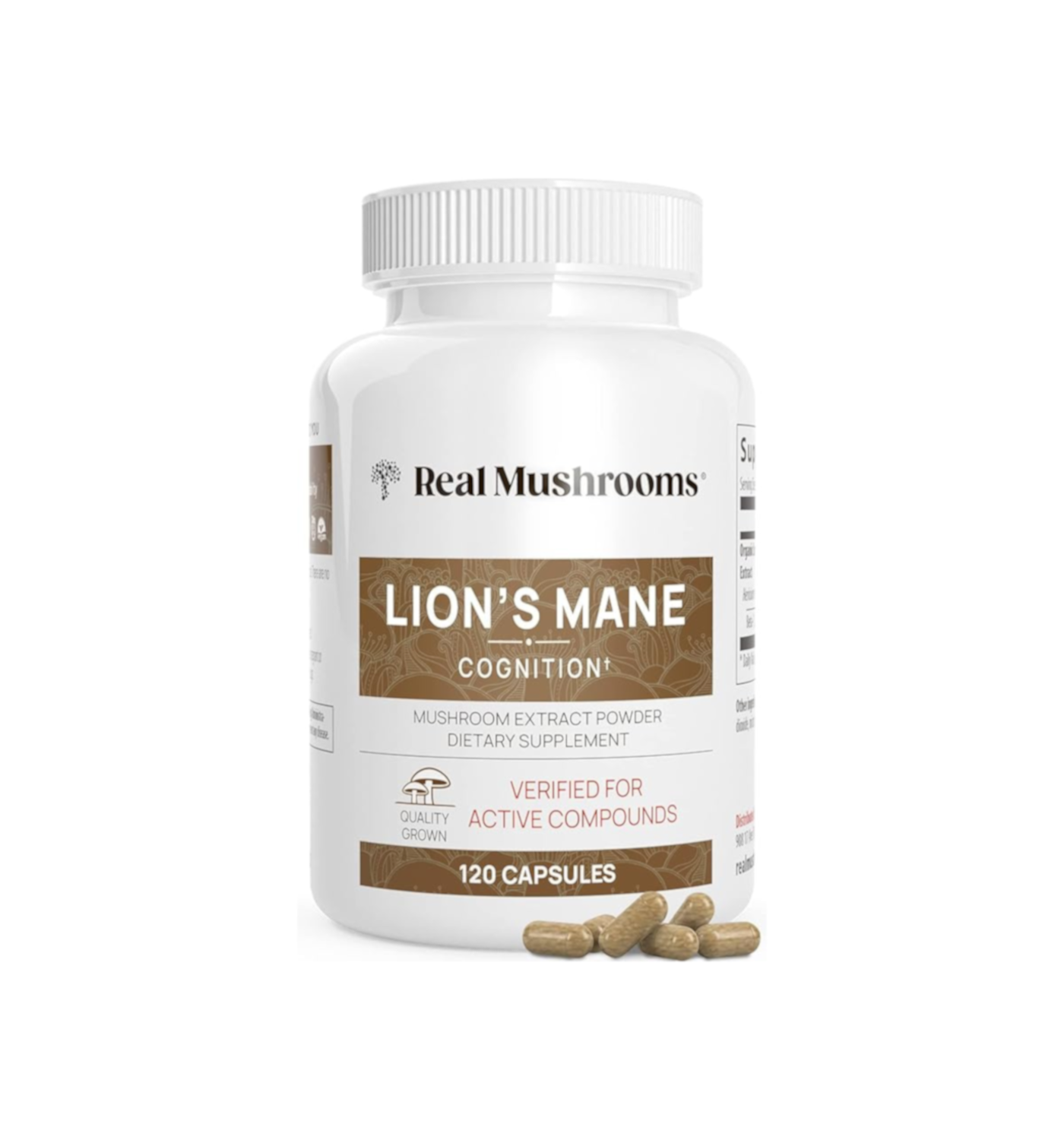
Capsule products in our lineup range from about 1,000mg to 2,000mg per serving, though potency varies a lot depending on whether it's raw powder or a concentrated extract — a 500mg extract capsule can easily be "stronger" than a 2,000mg raw powder capsule. Always check whether the label states an extract ratio (like 8:1 or 10:1); if it doesn't, you're likely looking at plain powdered mushroom.
What to look for on a label
- Fruiting body vs. mycelium — fruiting body is generally the higher-quality source
- Extract ratio or beta-glucan % — tells you the actual concentration, not just the fill weight
- Third-party testing — several of the brands we list disclose this on the bottle
- Organic / Non-GMO certification — not essential, but a signal of a more careful supply chain
Safety and who should be cautious
Lion's Mane is generally well tolerated. The main group who should avoid it is anyone with a known mushroom allergy. As with any supplement, check with a doctor before combining it with medication, and don't treat it as a substitute for medical care.