Maca Root Buying Guide: Gelatinized vs. Raw, Powder vs. Capsules, and Which Color
Maca (Lepidium meyenii) is a root vegetable in the same family as cabbage and radish. It grows high in the Peruvian Andes, where it has been eaten for thousands of years, traditionally cooked or dried and ground into flour. As a supplement it's mainly used for energy, mood and libido. Because it's a food, choosing maca is less about extraction ratios and more about form, processing and how easily you'll fit it into your day.
Gelatinized vs. raw maca
"Gelatinized" has nothing to do with gelatin. It means the root was cooked and pressurized to break down its starch, which is closer to how maca is traditionally eaten, since Andean communities rarely eat it raw. Gelatinized maca is easier to digest and more concentrated by weight once the starch is removed. Raw maca powder is more likely to cause bloating or stomach upset, especially at first. All four products we list are gelatinized.
Powder vs. capsules
- Powder is the cheapest way to take maca at the amounts used in studies (often several grams a day). It has a malty, slightly nutty flavor that works well in smoothies, oatmeal, coffee or baking. A one-pound bag lasts a long time.
- Capsules are convenient and tasteless, but each capsule holds well under a gram, so you may need several a day to reach a typical study amount. Check the "per serving" amount and how many capsules a serving is.
Yellow, red and black maca
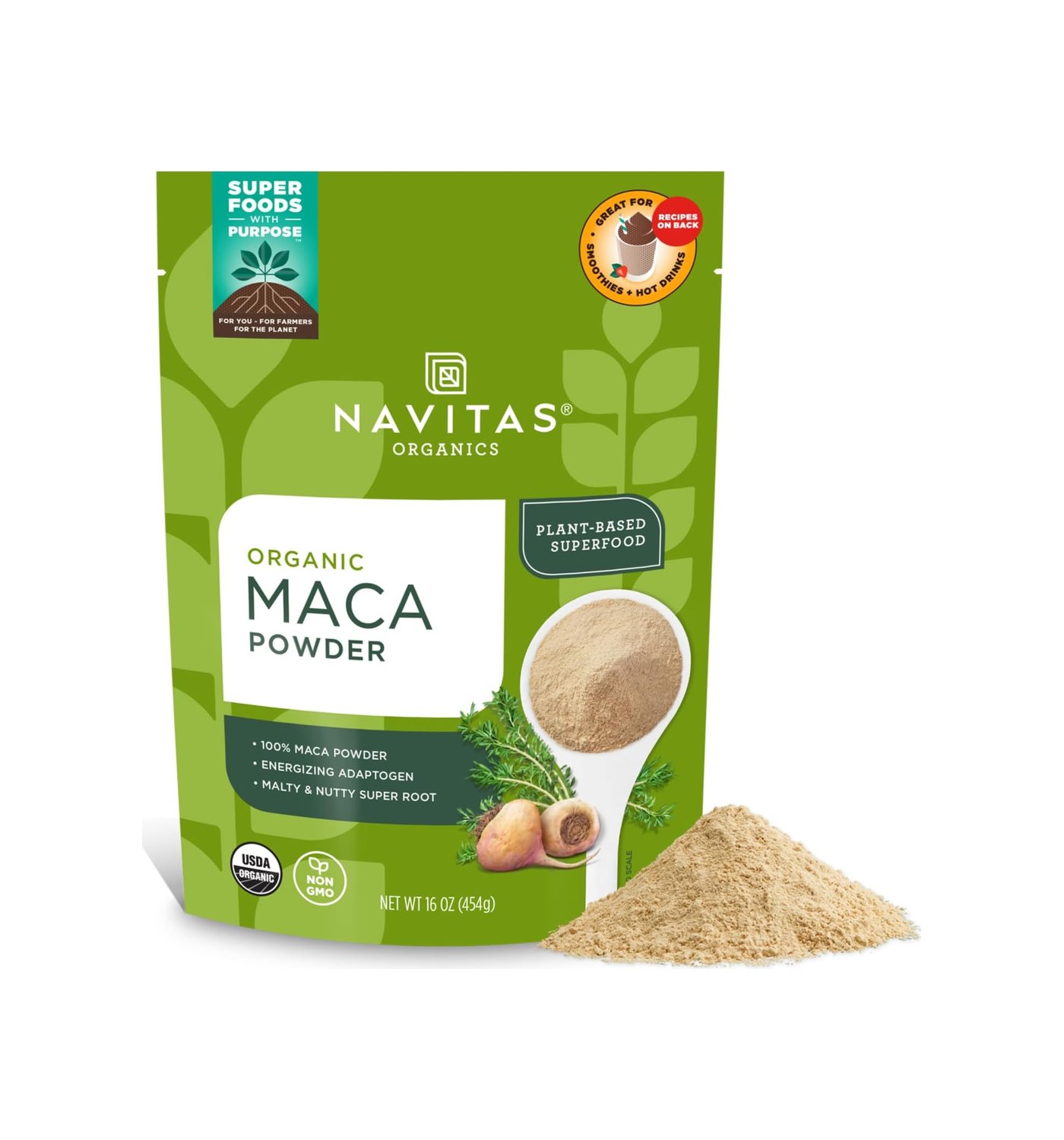
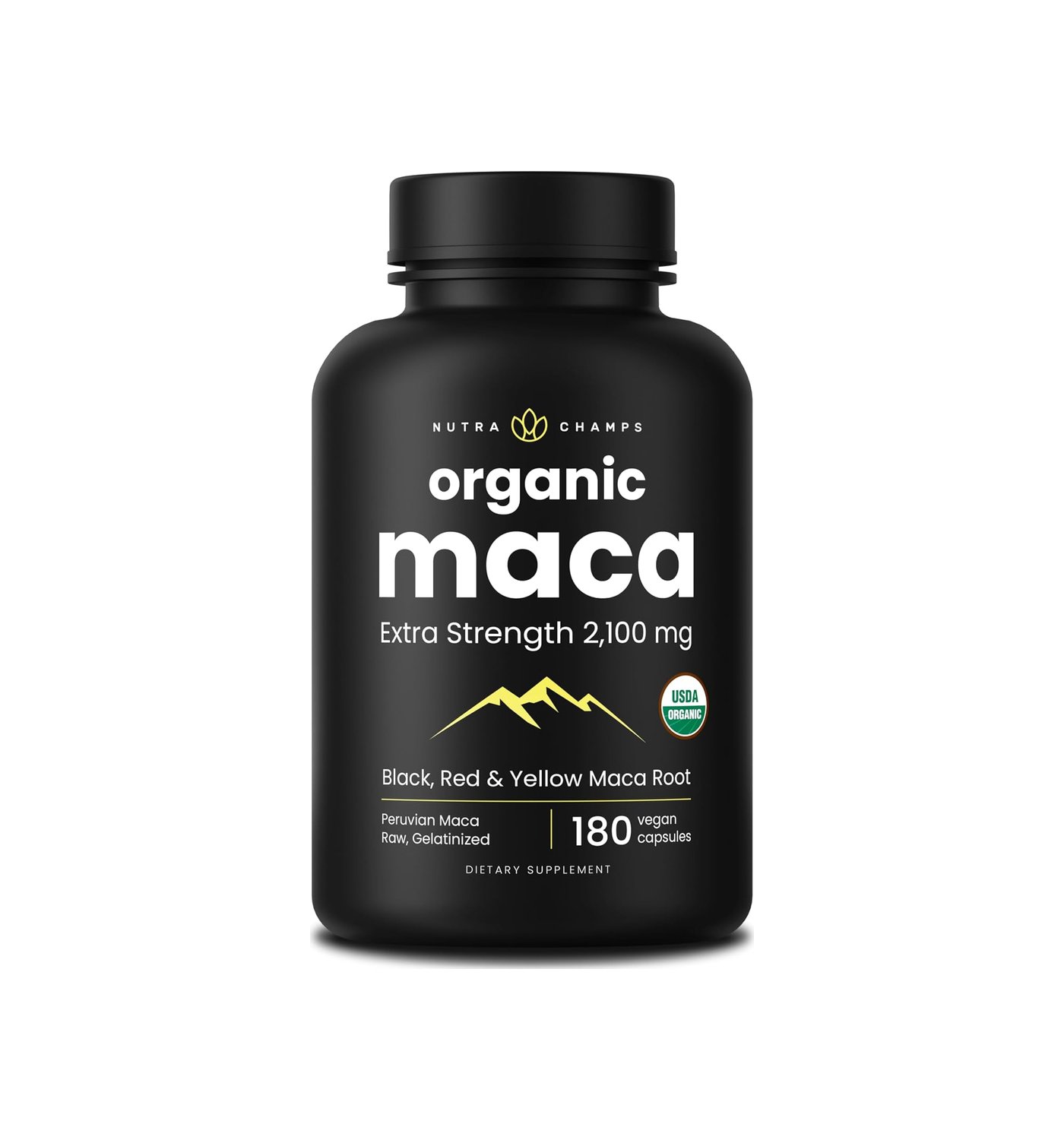
Maca roots come in several colors. Yellow (sometimes called cream) is the most common and is what most generic maca powder contains. Red and black maca are grown and sold separately, and researchers have studied them individually, with some differences suggested between colors. The evidence for any one color being better is limited, so a mixed-color product, like Navitas or NutraChamps, is a reasonable default if you don't have a specific reason to choose one.
How much to take
Studies commonly used 1.5g to 3g of maca powder per day, roughly half to one heaped teaspoon, for six to twelve weeks. Start at the low end, especially if you're new to it, and take it with food. Capsule strengths vary a lot, so follow the label and compare the grams per serving rather than the number of capsules.
What maca does and doesn't do
Maca is often marketed as a testosterone booster, but studies that actually measured hormone levels generally didn't find that it changes testosterone. Research has looked more at self-reported libido, mood and energy, with modest and sometimes mixed results. It's best thought of as a traditional food that some people find helpful, not a hormone treatment.
Comparing our picks
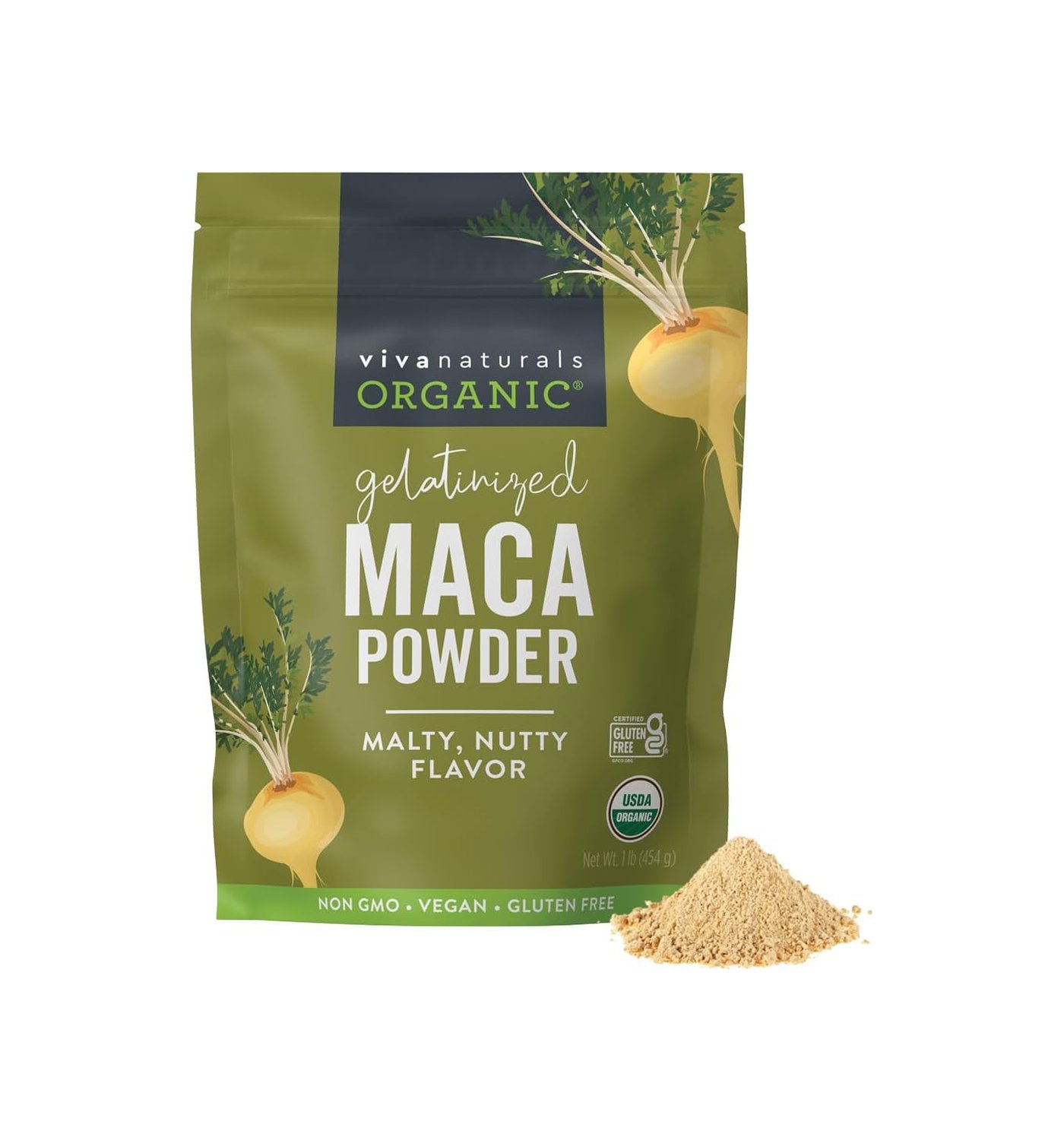
Viva Naturals and Navitas Organics are both one-pound bags of organic gelatinized powder; Navitas blends cream, red and black maca. NutraChamps provides a mix of black, red and yellow maca in capsules at 2,100mg per serving, with black pepper extract added. Gaia Herbs uses whole gelatinized organic root in vegan capsules, one per serving. If you'll use it daily in food, a powder is the better value; if you want no taste and no measuring, choose capsules.
Who should be cautious
Maca is a food, but supplement amounts are larger than a typical serving, so avoid it during pregnancy or breastfeeding, where there isn't enough safety data. Talk to a doctor first if you have a thyroid condition (maca is a cruciferous vegetable) or a hormone-sensitive condition. If it upsets your stomach, lower the amount or switch to a gelatinized product if you were using raw.