How to Choose an Ashwagandha Supplement: KSM-66, Withanolides and Dosage
Ashwagandha (Withania somnifera) is one of the most widely used herbs in Ayurveda, the traditional medicine system of India, where the root has long been used as a general tonic. Today it's usually sold as an "adaptogen" for stress and sleep. It's also one of the easiest supplements to buy badly, because two bottles with the same milligram number on the front can contain very different things. This guide explains how to read the label so you can compare products fairly.
Extract vs. plain root powder
Ashwagandha is sold in two main forms. Root powder is simply the dried, ground root. Root extracts are concentrated, and good ones are standardized, meaning the maker guarantees a minimum amount of the plant's characteristic compounds, called withanolides. Most of the human studies people quote used standardized extracts, not plain powder, so an extract is the closer match if you want something resembling what was studied. A few products, like Himalaya's, combine powder and extract.
What "KSM-66" means
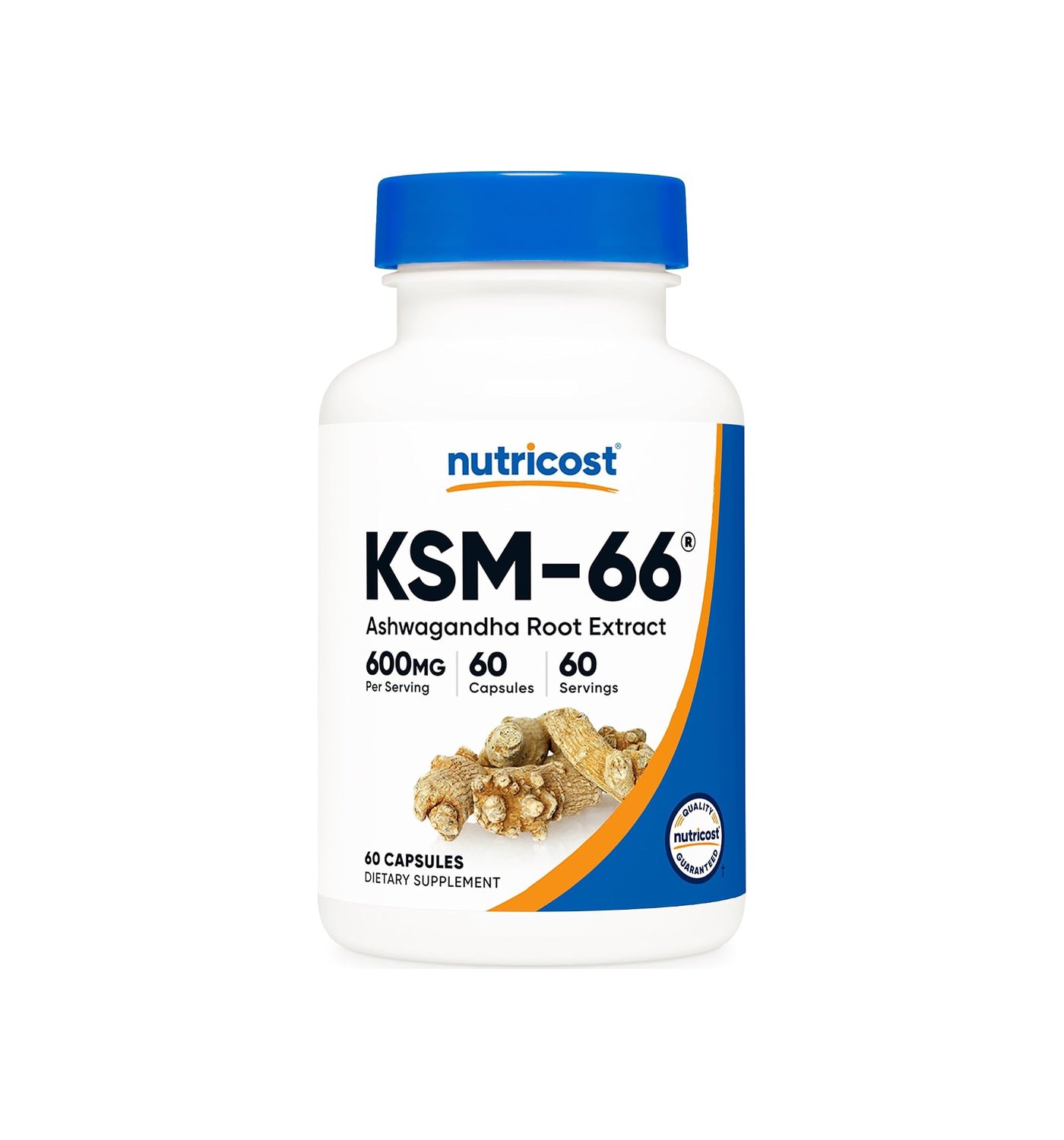
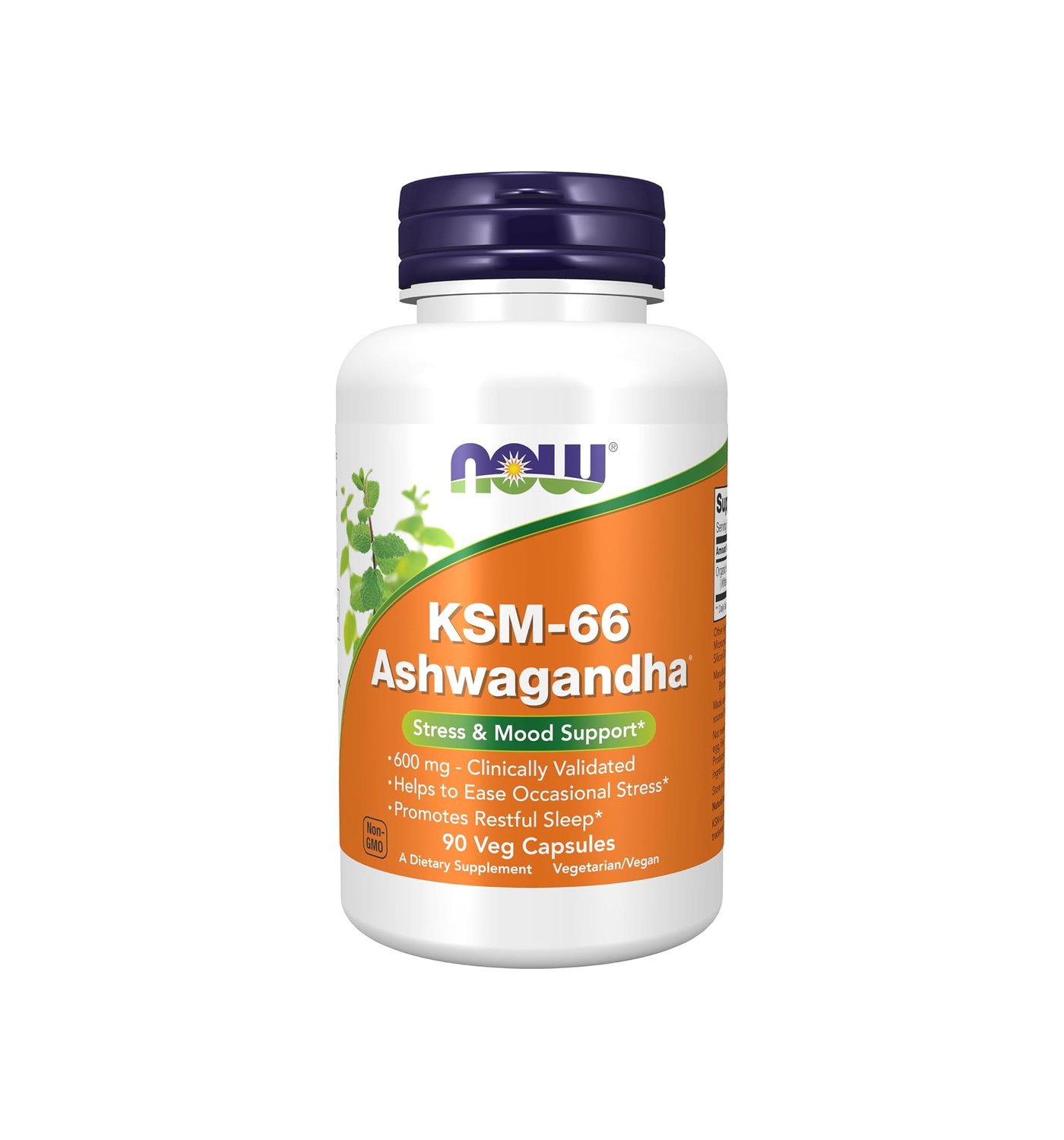
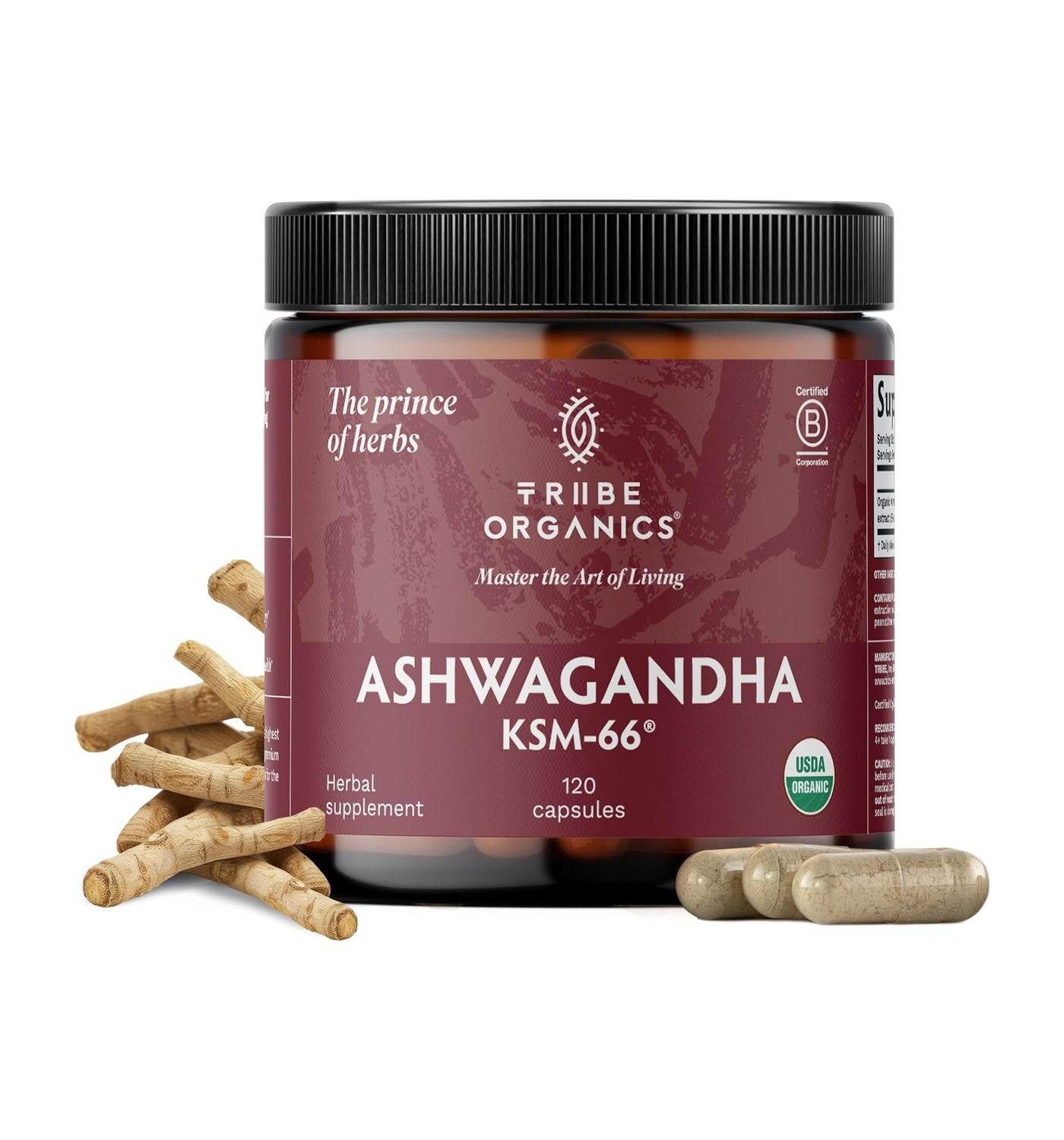
KSM-66 is a branded ashwagandha extract made only from the root, standardized to 5% withanolides, and produced without alcohol or chemical solvents. It's the extract used in many of the published trials, which is why three of the four products we list use it. Because it's a licensed ingredient, the KSM-66 name on a label tells you which extract is inside regardless of which brand sold the bottle. You'll also see other branded extracts, such as Sensoril, which uses both root and leaf and is standardized differently; they aren't interchangeable milligram for milligram.
Reading the label
- Plant part: root, or root and leaf. Traditional use and most research focus on the root.
- Withanolide percentage: a stated standardization (for example 5%) is a sign of a carefully made extract. A bottle that lists only "ashwagandha 1,000mg" tells you very little.
- Dose per capsule and per serving: some products need two capsules per serving, which halves the number of days a bottle lasts.
- Added ingredients: some formulas add BioPerine (black pepper extract), which is meant to improve absorption. It's not harmful for most people, but it can affect how some medications are absorbed too.
- Third-party testing or certifications: organic certification, or testing by an independent lab, adds accountability.
Typical dosage and timing
Root extracts such as KSM-66 are typically taken at 300mg to 600mg per day, either once or split into two doses. Many people take it in the evening because it's most often used for stress and sleep. Studies usually ran for six to twelve weeks, so give it several weeks before judging whether it helps; it isn't something you'd expect to feel after one capsule.
Comparing our picks
The three KSM-66 products we list are the same extract at similar doses. The differences are mostly practical: capsule count (60, 90 or 120), whether BioPerine is added (Nutricost adds it; NOW and Tribe Organics don't), and certifications such as organic. Himalaya Organic Ashwagandha is different: it combines organic root powder with root extract in a caplet, which suits people who prefer a more traditional whole-root product. Comparing the price per day of use, rather than per bottle, is the fairest way to choose between them.
Who should be cautious
Ashwagandha isn't for use during pregnancy or breastfeeding. Talk to a doctor first if you have a thyroid condition (it may affect thyroid hormone levels), liver problems or an autoimmune condition, or if you take sedatives or medication for blood sugar, blood pressure or your thyroid. Rare cases of liver injury have been reported with ashwagandha supplements, so stop taking it and get medical advice if you notice yellowing of the skin or eyes, dark urine or unusual tiredness. Mild stomach upset and drowsiness are the most commonly reported side effects.
The bottom line
Choose a standardized root extract with a stated withanolide percentage, start at the lower end of the usual dose, and judge it over several weeks. For a much deeper look at the research, timelines and stacking, see the full ashwagandha guide linked below.