Acetyl-L-Carnitine vs. L-Carnitine: Which Form Should You Buy?
L-carnitine is a nutrient your body makes from two amino acids, lysine and methionine, and also gets from food, mainly red meat. Its main job is transport: it carries fatty acids into the mitochondria, the parts of your cells that burn them for energy. Supplements come in several forms, and they aren't interchangeable. The form you choose should depend on why you're taking it.
The main forms
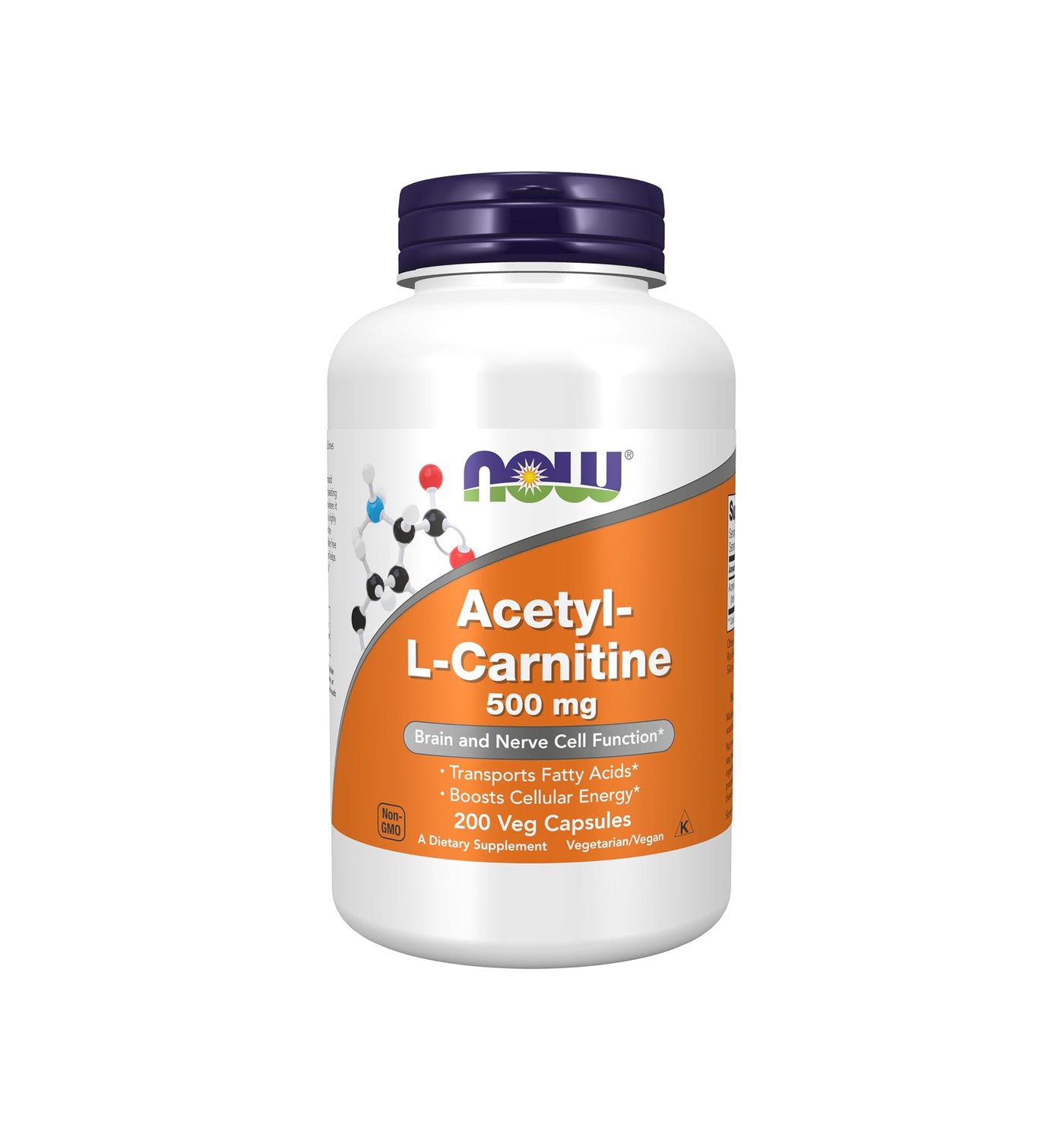
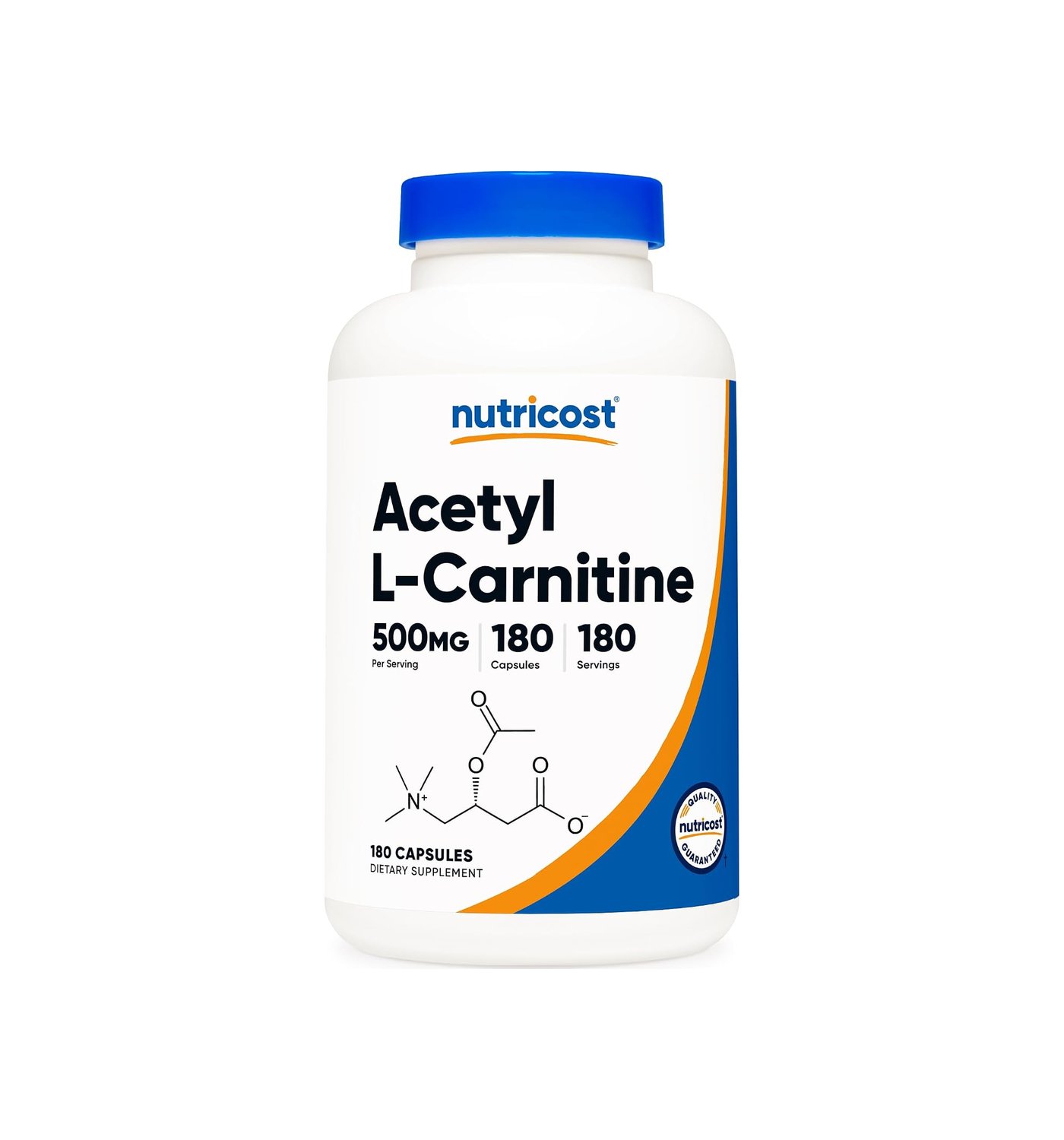
- Acetyl-L-carnitine (ALCAR) has an acetyl group attached, which helps it cross into the brain more readily than plain L-carnitine. It's the form most people choose for focus and mental energy, and the one usually included in nootropic stacks.
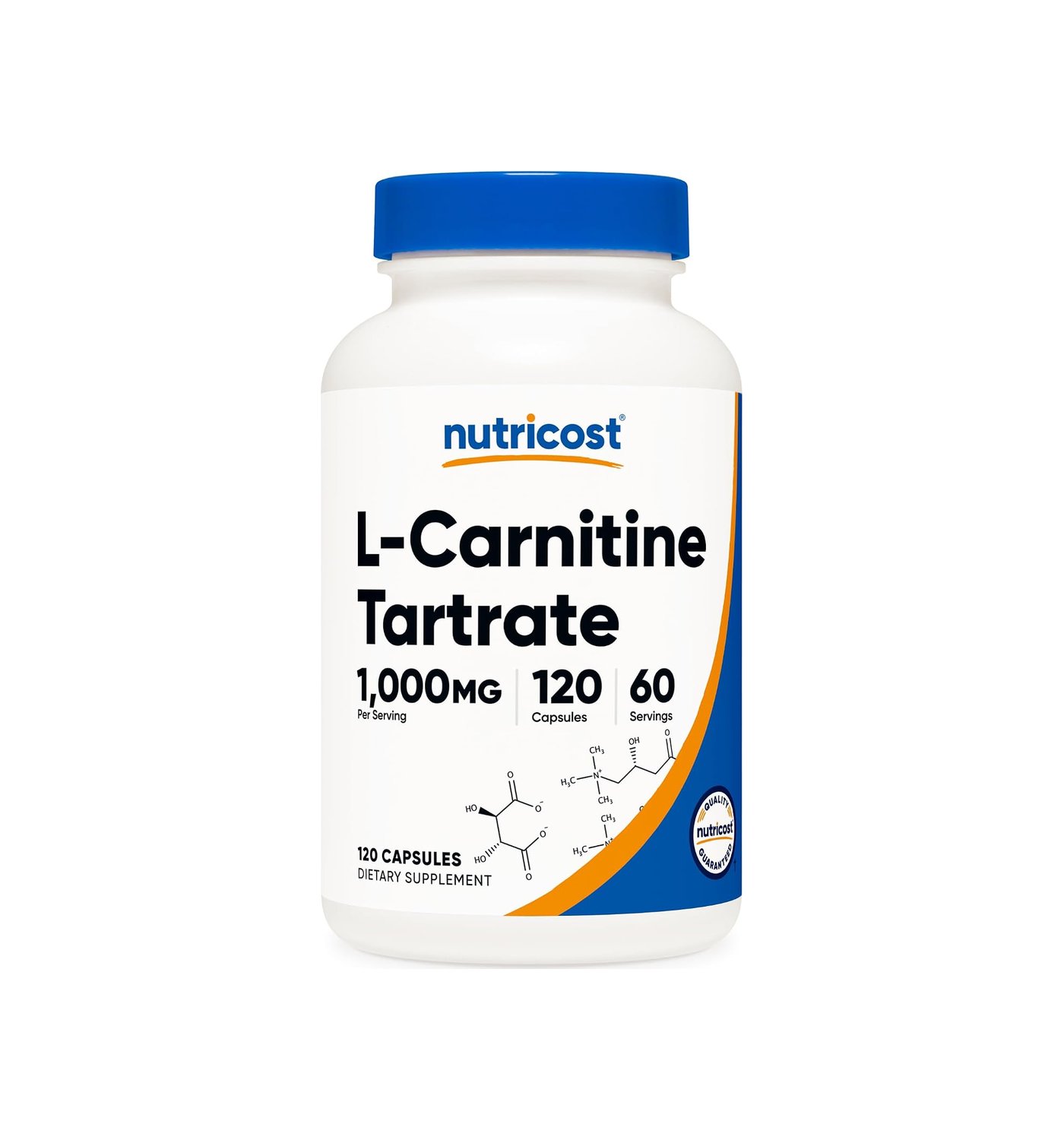
- L-carnitine tartrate is L-carnitine bound to tartaric acid. It's absorbed relatively quickly and is the form most studied for exercise recovery and muscle soreness.
- Plain L-carnitine (sometimes called L-carnitine base) is the simplest form and is often chosen for general use.
- Other forms, such as L-carnitine fumarate and glycine propionyl-L-carnitine, exist but are less common.
Avoid products labeled "D-carnitine" or "DL-carnitine". The D form isn't the one your body uses and may interfere with it.
Which one fits your goal
If your interest is mental energy and focus, as on most nootropic sites, acetyl-L-carnitine is the form to look at. If you're interested in training and recovery, L-carnitine tartrate is the better match. If you're vegetarian or vegan, note that diets without meat provide very little carnitine, although the body makes enough for most healthy people; if you supplement, check that the capsule or tablet itself is vegetarian.
Typical doses
Acetyl-L-carnitine is typically taken at 500mg to 1,500mg per day. L-carnitine and L-carnitine tartrate are typically taken at 1,000mg to 2,000mg per day. Larger daily amounts are often split into two doses and taken with food to reduce the chance of stomach upset. Note that a "1,000mg L-carnitine tartrate" serving contains less carnitine itself than 1,000mg, because part of the weight is the tartrate.
Comparing our picks
NOW and Nutricost both offer acetyl-L-carnitine at 500mg per capsule, a convenient amount for starting low and adjusting. Nutricost's L-carnitine tartrate provides 1,000mg per two-capsule serving and is third-party tested. NOW's L-carnitine tablets provide 1,000mg of plain L-carnitine per tablet and are vegetarian. Compare cost per day at the dose you plan to take, since capsule strength and count differ.
Side effects and who should be cautious
At typical doses L-carnitine is generally well tolerated. Higher doses can cause nausea, diarrhea or a fishy body odor. Talk to a doctor first if you have an underactive thyroid or take thyroid medication, take a blood thinner such as warfarin, have a history of seizures, or have kidney disease. Researchers are also studying how gut bacteria turn carnitine into a compound called TMAO, which has been linked to heart health in observational studies; the meaning for supplement users is still unclear, which is another reason to stick to typical doses rather than more.